Did reading every day make me happier?

This week, I decided to read a book every day without any distractions. Like everything else I’ve tried, reading promises to lots of amazing things, like reducing stress and anxiety and improving memory and focus. I used to religiously read 10 pages every day and loved both the quiet time and actually reading all of the books we have in our apartment. I’m not sure when it happened, but I slowly started reading only every once in awhile and then only on weekends when I really felt like I had time. So, this week, I forced myself to sit and read every single day.


Over the weekend, as expected, it was really easy to carve out time to read, as it’s something I’ve already been doing fairly consistently. We went to coffee shops, where I now order something decaf, and read quietly with our coffee until we felt like we’re ready to do something else. It was relaxing, felt like such a nice break, and was much more satisfying than scrolling through the internet.

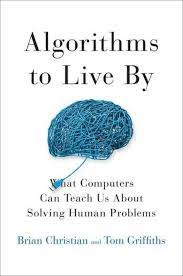
On weekdays, this was harder than I expected given that I used to read every day. There never felt like a good time, and when I tried reading before bed, I either fell asleep or got distracted really quickly, even though the books I finished (Algorithms to Live By) and started (Furiously Happy) are both incredibly interesting and great reads. This reminded me a lot of mediation; when it was working well, it was great, but it was hard to fit in to my life.

We also spent some time walking around bookstores looking for new books to buy, and I realized how much I missed the experience of shopping for books in an actual bookstore. This made me realize that there are probably other things that I tend to buy online that I should spend more time shopping for in person, both to enjoy the experience of looking through things and to be more thoughtful about what I’m buying.

Did reading more make me happier? While I enjoyed spending more time reading because I already like to read, I wouldn’t say this made me happier in the way that reducing my caffeine or dressing up for work did. I didn’t see a profound change in my stress levels or mood, and I ended up turning something I like doing into a task I needed to complete every day. For this one, I’m going to go back to sitting down to read when it makes sense, like on the weekends, and otherwise stop giving myself a hard time for not reading often enough.

Did reducing my caffeine intake make me happier?

A few of my friends cut down on the amount of coffee they were drinking and told me that they experienced less anxiety, had more energy, and slept better. I wanted to see if it was really the caffeine intake change or something else, so I decided to take on this experiment this last week.

Before this, I only drank one 8 ounce cup of coffee every morning and never had caffeine after 11am. Instead of cutting out coffee completely, I decided to make my 8 ounce cup a split cup of 4 ounces regular and 4 ounces of decaf. At coffee shops, I had to do split shot americanos because it turns out the coffee shops here don’t have decaf drip. One day when I was working from home, I attempted to brew a 4 ounce pourover, which ended up tasting horrible, so I switched to tea.

Overall, I felt way less anxious than usual even though my life has been about the same or more stressful. I also slept better and had more energy, as promised. I was very surprised that just cutting my coffee intake in half had such a profound effect on me, but I’m convinced that at least for me, caffeine was doing more harm than good. Because I genuinely love coffee, I’m not planning on giving it up completely. I am going to try to limit my caffeine exposure and treat it like I do dessert – something I don’t have every day, but enjoy when I do.

Did reducing my caffeine intake make me happier? Absolutely! Out of all the things I’ve tried so far, this had the quickest and clearest effect on my mood, and I’m very happy I tried it.

Did dressing more formally for work make me happier?

Originally, I decided to try dressing up for work because I wanted to get more use out of my closet. I have a large collection of dresses (over 60) and blazers obtained over the years living on the East Coast, going to business school, and working at places like McKinsey. When I moved back to Seattle last June and went back to working at a tech company, I very quickly started wearing the jeans plus a t shirt or sweater uniform. I realized that I had so many pieces of clothing that I love that I wasn’t wearing and instead was rotating through the same few outfits.

My giant collection of dresses, as seen by the number of hangers.

I definitely accomplished my goal of wearing more of my clothes, including many dresses that I genuinely missed wearing. It also turns out that “dressing for success” is real. Wearing my formal clothes made me feel more confident and put together. It put me in a “working” mindset which led to much more focus and productivity. I spoke up more often in meetings, even when they were conference calls. When I worked from home, I still made an effort to dress up, and it really did make a difference in how I worked.

Another benefit I didn’t expect was that changing out of my formal clothes when I got home into something comfier helped me wind down at the end of the day. It helped create a distinct change from the work day so I could relax rather than continually checking my work email when I was trying to enjoy dinner or read a book.

Did dressing more formally for work make me happier? Absolutely. I love wearing and getting use out of all the great clothes I already own, and more importantly, I love how dressing differently for work and home makes me feel. I will definitely continue to do this.

Did giving up second-screening make me happier?

After reading this article about why second-screening can be horrible for us and how we’re all “doing it wrong,” I decided to go without a second screen for a week. This meant no chatting with friends while watching a YouTube video or reading news while watching a movie. I also couldn’t look anywhere else during a conference call or check my phone during a meeting where someone was presenting.

This is slightly different than uni-tasking; instead of only focusing on one thing at a time until I was finished with it, the only rule was that I could only look at one screen at a time. This meant that I could still switch from one activity to another, such as from working on a PowerPoint deck on one monitor to email another, but I had to make a conscious choice to switch rather than quickly flitting back and forth. In a future week, I’m planning on committing to uni-tasking, but this felt like a good first step.

Second-screening is way harder than I thought. This was the first time writing this blog that I failed. I ended up accidentally second-screening without even thinking about it so many times. Overall, the act of stopping to think of whether I really need to check my phone or look at my email on another monitor right now was a great way to make sure I was doing the right things at the right time. I also watched way less on YouTube this past week because there were countless times where I started doing something else on my second monitor and realized that I honestly didn’t care about what was happening in the video. When I successfully single-screened, I paid way more attention and got a lot more out of what I was doing, whether it was a meeting, a movie, or a conversation I was having with a friend online. I also learned, similar to my week meditating, that my ability to focus is not at all where I need it to be. In a future week, I’m going to fully dedicate myself to uni-tasking and see what happens.

Did not second-screening make happier? In the short term, definitely not. It was incredibly frustrating, and I felt awful for not being able to focus for more than two seconds on anything. In the long term, I think it will make me happier. It’s an amazing when you break the habit, and single-screening really helped me focus and make the most of my time. I will continue to try to avoid second-screening where possible.

Did removing Instagram from my phone make me happier?

I’ve read more articles than I can count about how social media is making us miserable and how we should all delete our accounts. Given that I already don’t use Twitter and removed Facebook from my phone years ago, I was curious to see if removing Instagram would make a huge difference in my life. I’ll preface this by saying that I tend to spend more time on YouTube and Reddit than on Instagram, so this experiment probably would’ve been more useful had I cut out all social media for a week. That said, here’s how it went.

For the first few days, I noticed that I really felt like I was missing out on what was happening in the world. That feeling that I used to have when I saw someone on an incredible vacation or having an amazing dinner was replaced by the fear that I no longer knew about things like the latest product launches from my favorite fitness companies or which puppy was now the cutest dog on the platform.

Then, about half way through the week, I totally forgot about Instagram all together. I wasn’t thinking about whether my meal was Istagrammable or whether our weekend activities were worth sharing via stories. This helped me enjoy things in the moment and reduced the stress of making my life “picture perfect”. On the other hand, the 30-45 minutes throughout the day that I used to spend scrolling Instagram were replaced with other mindless scrolling elsewhere. I had hoped that I would read, meditate, stretch, or walk more, but I just switched to a different mindless activity. I learned that how we spend our time is both our habits and our choices, and taking away the habit of Instagram didn’t automatically remove the habit of mindless scrolling.

Did removing Instagram making me happier? Ultimately, I think it did. It removed pressure from my day to day life and helped me stopped comparing my life to others’ highlight reels. That said, I still have more work to do using my time mindfully.

Did meditating every day make me happier?

Meditation and mindfulness, like many of the things I’ve tried so far, have promised to fix everything in your life. It will reduce stress and pain, promote healing, reduce anxiety, increase relaxation, improve relationships, promote productivity, and much more. I personally have been a subscriber to Headspace for more than a year now, which I only know because I had a charge on my credit card for the annual subscription renewal that I had completely forgotten about. As much as I had tried in the past, I haven’t been able to meditate consistently over time.

Many of the studies done on meditation show that it’s important to “retrain your brain” by practicing meditation consistently rather than when you feel like it. I wondered if I would see the benefits of meditation if I actually did it every single day, so that’s what I did this week.

My current mediation streak on Headspace

When I was feeling extremely overwhelmed with wedding planning or my back pain (I currently have 3 bulging discs), meditating in the moment helped immensely. Otherwise, meditating mostly showcased how unfocused my brain really is. I struggled to stand or lie still for more than a few minutes. While I know that your mind wandering is totally normal and part of mediating, it was frustrating that I couldn’t focus for more than a few seconds at a time. I now have a long list of things to try for this blog like uni-tasking, staying off of Instagram and other social media sites and setting up specific times to check emails.

Did meditating every day make me happier? I think it’s still too early to tell, but it did make me realize what other actions I could take to make me happier. For now, I’ll keep my streak going and provide an update when I’ve meditating every day for a couple months.

Did drinking more water make me happier?

For this week, I decided to try something easy. On days when I’m not exercising or hiking, I generally drink a cup of coffee and a glass of water (or less) every day, and I was beginning to wonder if my headaches, skin dryness, and other ailments might be because I was just dehydrated. Drinking more water is touted as a cure all, from improving your skin to boosting your immune system to giving you energy and a long list of other things. That said, not everyone actually needs 8 glasses of water a day, so I decided that instead of forcing myself to drink that much, this is what I did:

  1. Drink water first thing in the morning before I had any coffee
  2. If I feel hungry, stop to ask myself if I’m thirsty before eating anything
  3. Make water more readily available by actually filling my water bottle and keeping it near me

Did I end up drinking more water? Absolutely. I went from about 4 – 8 ounces of water a day to about 32 ounces. It was clear that I hadn’t been drinking enough water before. My skin issues and headaches weren’t fixed by drinking more water, so I wouldn’t say it’s the solution to every problem that so many articles promise it will be. That said, drinking water first thing in the morning really did provide me with energy and make me feel great, so that’s something I’m going to continue to do. I also wasn’t as hungry as I usually am and was more mindful when I was eating because I was paying more attention to my hunger and thirst cues.

Did it make me happier? Yes (but your mileage may vary if you’re already drinking enough water).

Did focusing on the inner work instead of the outer work make me happier?

I was listening to the Happier podcast by Gretchen Rubin when I heard her say “do the inner work, not the outer work.” Her and her co-host Elizabeth were discussing why sometimes you just can’t fix a problem; you need to put a band-aid on it so you can move past it. In these cases, it can be much more productive and easier to change how you react to the situation than trying to change the situation itself. As someone who routinely is trying to fix everything and constantly worrying, I decided to make this my experiment this week. What if I could focus on myself and how I was going to respond to challenges instead of trying to change the behavior of others or fixing entire situations? Here’s how it went:

The thing I was most surprised about was that I was way calmer. Instead of looking at situations as stressful moments I would have to power through, I looked at them in terms of what actions I could take and let the rest go. I also stopped worrying as much. I knew that I was doing everything I could do, and everything else was out of my hands.

It also helped me see what wasn’t investing time and energy in. For example, we’re currently looking for florists for our wedding and have a pretty good idea of what we want. One of the possible florists sent us a proposal three times that included the wrong colors and number of pieces, even after she was informed of her mistake. Normally, I would have kept working with her to try to get it right so I could compare her proposal against the others. Instead, we decided this florist just wasn’t right for us. Doing the inner work (deciding what was best for us and moving forward with our decision quickly) rather than doing the outer work (trying over and over again to get the florist to be what we wanted) worked so well.

Did focusing on the inner work and not the outer work make me happier? A resounding yes!

Did buying succulents make me happier?

To start off these weekly experiments of trying one new thing to see if it can improve my life, I decided to do something that was fairly inexpensive, easy, and something I’ve read a lot about lately. I’ve been seeing articles for months about how making your life greener will ultimately make you happier. You should spend more time vacationing in nature, cover your living space and office with plants, and go for walks as much as possible. My favorite podcast even did an episode about the book The Nature Fix, which essentially promises that everything in your life can be fixed with more nature.

But what about those of us who have no idea how to take care of plants, live in an area with little sun, and have a small apartment with no balcony? The recommendation: get succulents.

I wasn’t sure whether succulents would be a replacement for long walks outside or a vacation to a National Park, but we went to a plant store and got 6 adorable succulents potted to sit on our windowsill. Now that we’ve had them for the week, I know they won’t replace actually being in nature. I don’t get the same burst of joy and energy from them as I do from a weekend of hiking and no cell service. But they do make me happier. Every time I look at them, I feel a little calmer. I feel like I did something nice for myself and for our space. It was a small investment for an item that really does spark joy every single day.

My verdict: Yes, succulents can make us happier!